From Blues Purists to Pop Royalty: The Fleetwood Mac Metamorphosis
Few bands have undergone such a radical transformation while keeping the same name. Fleetwood Mac started as a disciplined British blues outfit in 1967, built around the rhythm section of drummer Mick Fleetwood and bassist John McVie. What began as a vehicle for guitarist Peter Green's incendiary blues playing eventually became the vehicle for some of the most emotionally transparent pop-rock ever recorded. The band's willingness to absorb seismic lineup changes—losing founding members, gaining new songwriters, navigating romantic implosions—turned potential disaster into creative fuel.
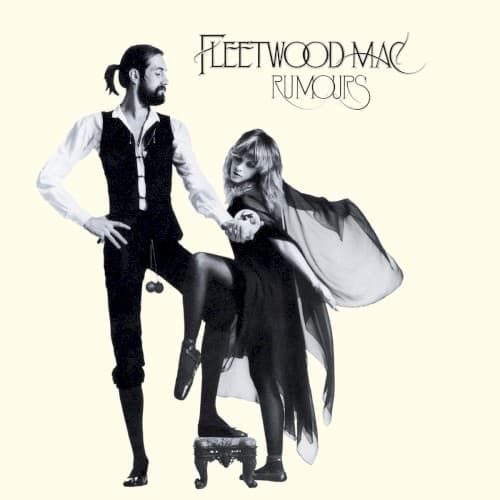
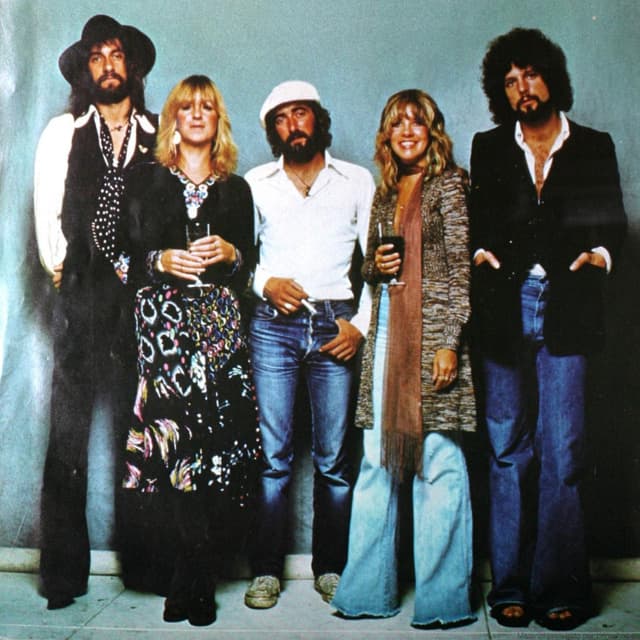
By the mid-1970s, after several incarnations, Fleetwood Mac had relocated to California and rebuilt around the songwriting trio of Lindsey Buckingham, Stevie Nicks, and Christine McVie. This configuration produced Rumours, a record that translated personal chaos into universal emotional currency. The album spent 31 weeks at number one and sold over 40 million copies, yet its success represents only one chapter in a far more complex story.
What makes Fleetwood Mac culturally significant isn't just commercial triumph—it's their demonstration that a band could survive complete reinvention, that personal drama could enhance rather than destroy art, and that the British blues tradition could evolve into something entirely new without losing its soul. They proved that a group's identity could rest not in a fixed lineup but in a rhythm section's persistence and an openness to change.
Sonic Shapeshifting: Blues Foundations Meet California Confessionals
The early Fleetwood Mac sound bore little resemblance to what made them famous. Peter Green's guitar work drew from Chicago blues but possessed a lyrical quality that separated it from mere revivalism. Tracks like "Albatross" showcased restraint and melodic invention, while Green's voice carried a vulnerability that foreshadowed the band's later emotional directness. The rhythm section—Fleetwood's propulsive, slightly off-kilter drumming and McVie's melodic bass lines—provided a foundation flexible enough to support multiple musical personalities.
The Buckingham-Nicks era introduced a completely different sonic palette. Buckingham's production approach favored layered vocals, intricate guitar arrangements, and a willingness to let songs breathe. His fingerpicking style and his insistence on unconventional song structures pushed the band beyond standard soft rock formulas. Nicks brought theatrical mysticism and a voice that could convey both strength and fragility in the same phrase. Christine McVie's keyboard work and songwriting added warmth and craft, grounding the more experimental impulses with pop sophistication.
What unified these disparate sounds was a commitment to emotional honesty. Whether Green's blues laments or the confessional songwriting of Rumours, Fleetwood Mac always prioritized feeling over genre purity. The production became increasingly polished through the 1970s, but the band never sanded down the raw edges completely. Buckingham's guitar could still bite, Nicks' vocals could still rasp with desperation, and the rhythm section maintained the groove discipline learned in blues clubs. The result was rock music that felt both meticulously constructed and emotionally unguarded.
The Blueprint for Turning Chaos into Commerce and Art
Fleetwood Mac's influence operates on multiple levels. Musically, they demonstrated how British blues could evolve into sophisticated pop-rock without losing emotional weight. Countless bands have borrowed their harmonies, their willingness to let multiple songwriters share space, and their integration of male and female voices into equal partnerships. The production techniques Buckingham pioneered—particularly his layered vocal arrangements and his refusal to smooth out every rough edge—became templates for artists seeking polish without sterility.
Culturally, Rumours established the paradigm of the breakup album as commercial blockbuster. Before Fleetwood Mac, personal turmoil typically derailed bands or remained hidden. They made the conflict audible and profitable, proving that audiences craved authenticity even when packaged in immaculate production. This model influenced everyone from ABBA navigating their own internal divorces to contemporary artists mining personal catastrophe for streaming hits. The band also normalized constant lineup changes in a way few rock groups had. Most classic rock bands are defined by a core lineup; Fleetwood Mac proved a brand could outlast its founding members.
Their business model—maintaining the name and catalog value through personnel changes, licensing music for films and commercials, staging reunion tours with whatever configuration made sense—became a blueprint for heritage rock acts. They understood early that a band could function as a business entity separate from its artistic output. This pragmatism sometimes worked against their artistic reputation, but it kept the music in circulation and introduced new generations to the catalog. Their influence extends beyond music into the broader culture of how creative partnerships form, fracture, and occasionally reform when financial incentives align with nostalgia.