The Architects of Stadium Rock: Led Zeppelin's Unprecedented Rise
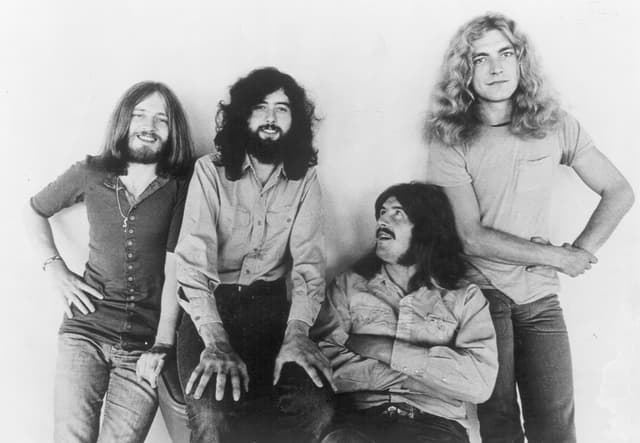
Led Zeppelin emerged from the ashes of The Yardbirds in 1968, initially conceived as a session-based project before evolving into the most commercially successful and artistically ambitious rock band of the 1970s. Guitarist Jimmy Page assembled a lineup that seemed calibrated for maximum sonic impact: Robert Plant's banshee wail, John Paul Jones's multi-instrumental fluency, and John Bonham's thunderous drumming. What began as a British blues outfit quickly morphed into something far more expansive, a group that could seamlessly move from acoustic folk passages to crushing amplifier worship within the same composition.
Their ascent was staggering. While critics initially dismissed them as heavy-handed imitators, audiences responded with near-religious fervor. The band's refusal to release singles in the UK, their avoidance of television appearances, and their emphasis on album-oriented statements created an aura of mystery that only amplified their appeal. By 1973, they were outdrawing The Beatles' attendance records and redefining what rock stardom could look like in scale and excess.
The group's eight studio albums between 1969 and 1979 represent a sustained creative peak rarely matched in rock history. Each release expanded their sonic vocabulary while maintaining the core tension between blues tradition and experimental ambition. When drummer John Bonham died in September 1980, the remaining members chose to disband rather than continue without him, cementing their legacy as a complete artistic statement rather than an ongoing franchise.
Blues Foundation Meets Sonic Experimentation: The Led Zeppelin Sound
The Led Zeppelin approach was fundamentally about contrast and dynamics. Page's production philosophy emphasized space and volume shifts, creating records that breathed rather than maintaining constant intensity. His guitar work drew heavily from blues vocabulary—Willie Dixon riffs, Howlin' Wolf phrasing—but passed through Marshall stacks with unprecedented aggression. The famous "Whole Lotta Love" riff exemplifies this: a blues progression rendered as seismic event, with Plant's vocals matching the guitar's physicality note for note.
Plant's singing was equally rooted in African-American tradition, channeling Robert Johnson's desperation and Muddy Waters' confidence through a voice capable of piercing through the loudest instrumental passages. Yet his range extended into falsetto territories and folk balladry, allowing the band to navigate acoustic terrain convincingly. Jones provided both low-end foundation and textural sophistication, his keyboard work on Mellotron and organ adding orchestral dimensions that separated the band from blues-rock contemporaries.
Bonham's drumming remains the group's secret weapon. His feel sat behind the beat just enough to create tension, while his bass drum patterns and tom work introduced a heaviness that directly influenced the emerging heavy metal genre. The "When the Levee Breaks" drum sound—massive, reverberant, almost inhuman—became a sonic landmark that producers would chase for decades. Together, these four musicians created a template for rock power that balanced technical ability with raw emotional force.
From Underground Phenomenon to Cultural Domination: Led Zeppelin's Trajectory
The debut album, released in January 1969, established the blueprint immediately. Recorded in under 40 hours, it showcased the band's ability to reimagine blues standards ("You Shook Me," Willie Dixon's catalog) alongside original compositions that pushed beyond traditional structures. "Dazed and Confused," inherited from Page's Yardbirds era, became a centerpiece of their live show, often extending past 20 minutes with violin bow theatrics and improvised sections that demonstrated their commitment to concert performance as primary artistic statement.
Their second album, released later that same year, refined the approach. "Ramble On" introduced the Tolkien mythology that would become a recurring lyrical theme, while "Whole Lotta Love" became their de facto anthem despite never being released as a UK single. The band was touring relentlessly, building American audiences through word-of-mouth and increasingly legendary live performances. By 1970's third album, they were incorporating folk and acoustic elements more prominently—"That's the Way" and "Tangerine" revealed a pastoral side that balanced the electric aggression.
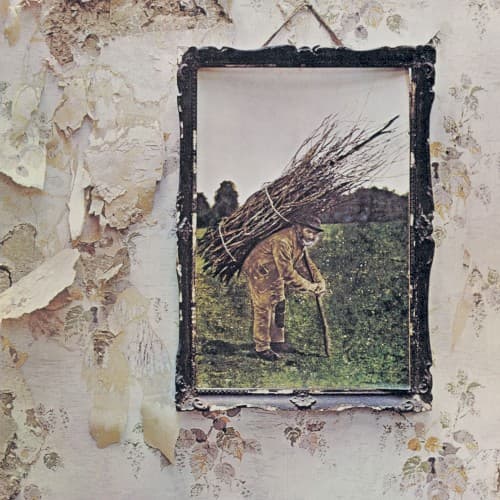
Then came the untitled fourth album in November 1971, commonly known as Led Zeppelin IV. This release represented their commercial and creative apex simultaneously. "Stairway to Heaven" became the most-requested rock song in radio history despite never being released as a single, its eight-minute journey from acoustic fingerpicking to electric crescendo serving as a microcosm of the band's entire aesthetic. The album sold over 37 million copies worldwide, a figure that reflects not just popularity but cultural penetration—this was the soundtrack to a generation's experience of rock music as transformative art form.
Houses of the Holy (1973) pushed into funk and reggae territories with mixed results, though "The Rain Song" and "No Quarter" demonstrated continued compositional sophistication. Physical Graffiti (1975) arrived as a double album, an ambitious statement that included both recent material and earlier outtakes. "Kashmir" emerged as perhaps their most distinctive composition, built around an Arabic-influenced riff and orchestral arrangement that owed nothing to blues tradition. The album's sprawl—from the hard boogie of "Custard Pie" to the delicate "Bron-Yr-Aur"—captured a band at peak confidence.
The latter half of the decade proved more turbulent. Presence (1976) was recorded under difficult circumstances following Plant's serious car accident, resulting in a darker, more straightforward rock album. The Song Remains the Same, a concert film and soundtrack, documented their live excess but received critical dismissals. In Through the Out Door (1979) found Jones's keyboards dominating the mix, reflecting changing band dynamics and a musical landscape increasingly hostile to arena rock dinosaurs. The punk movement had arrived, and Led Zeppelin suddenly seemed like establishment figures rather than rebels.
Bonham's death on September 25, 1980—following a day of heavy drinking before rehearsals for an American tour—ended the band decisively. The remaining members issued a statement in December: "We wish it to be known that the loss of our dear friend and the deep respect we have for his family, together with the sense of undivided harmony felt by ourselves and our manager, have led us to decide that we could not continue as we were." Unlike countless bands that would replace members and continue, Led Zeppelin recognized that their particular chemistry was irreplaceable.
The Zeppelin Blueprint: Influence Across Generations and Genres
Led Zeppelin's impact on rock music operates on multiple levels. Most obviously, they established the commercial and artistic template for hard rock and heavy metal. Bands from Black Sabbath to Soundgarden to Tool built on the Zeppelin foundation of blues riffs amplified to crushing volumes, dynamic shifts from quiet to explosive, and vocals that matched instrumental intensity. The guitar-bass-drums power trio-plus-singer configuration became standard. The emphasis on album statements over singles shaped how rock artists approached recording for decades.
Their production techniques influenced generations of engineers. Page's use of backward echo, ambient miking techniques (particularly the Bonham drum sounds captured in stairwells and large rooms), and careful attention to spatial dynamics made Led Zeppelin albums sonic landmarks. The massive drum sound on "When the Levee Breaks" has been sampled hundreds of times in hip-hop and electronic music, testament to its enduring power. Producers attempting to capture "live" energy in studio settings still reference Led Zeppelin's approach to room sound and minimal overdubbing on basic tracks.
Their touring model—extended improvisations, no opening acts once they reached headliner status, absolute control over presentation—became the stadium rock standard. The mystique they cultivated through media avoidance and refusal to release conventional singles created a blueprint for artist autonomy that influenced how major acts negotiated their relationship with the industry. Their financial success demonstrated that rock bands could operate as self-contained business entities, controlling publishing, production, and touring revenues.
Controversy has shadowed the legacy, particularly regarding songwriting credits and blues appropriations. Multiple lawsuits over the years addressed uncredited borrowings from Willie Dixon, Spirit, and others. These disputes complicate the narrative of purely original genius but also reflect the band's position at a crucial moment when rock was transforming African-American musical traditions into stadium spectacle. The ethical questions persist, even as the music's influence remains undeniable across rock, metal, and beyond.