From Psychedelic Experimentation to Progressive Rock Mastery
Pink Floyd emerged from London's underground scene in 1965 as space rock experimentalists and transformed into one of the most commercially successful progressive rock acts in history. The group's sonic evolution—from Syd Barrett's fractured psychedelia to Roger Waters' conceptual ambition and David Gilmour's atmospheric guitar work—created a template for album-oriented rock that prioritized immersive soundscapes over radio singles. Their willingness to treat the recording studio as an instrument itself, combined with philosophical lyrical themes exploring mental health, time, mortality, and alienation, positioned them as artists rather than entertainers. What began as improvisational light-show soundtrack music gradually crystallized into meticulously constructed concept albums that sold over 250 million copies worldwide. The tension between artistic vision and interpersonal dysfunction became central to their narrative, with lineup changes and creative conflicts ultimately shaping some of rock's most enduring work. Their influence extends beyond music into visual presentation, with album artwork and stage production establishing new standards for multimedia integration in rock performance.
Sonic Architecture: Layered Textures and Atmospheric Precision
The Pink Floyd sound prioritizes texture and space over traditional rock dynamics. Gilmour's guitar tone—warm, sustained, often processed through delay and modulation effects—floats above foundational keyboard layers that Richard Wright built from organs, synthesizers, and piano. Rather than showcasing virtuosity through speed, Gilmour's solos unfold as melodic statements where each note receives careful placement and extended decay. Wright's keyboard work provides harmonic beds that shift between lush and unsettling, using analog synthesizers to create otherworldly atmospheres that became synonymous with the band's identity. The rhythm section of Nick Mason and Roger Waters (before Waters' departure) functioned less as a driving force and more as architectural support, establishing grooves that allowed extended passages to breathe without rushing toward resolution. Production became increasingly central to their approach. Working extensively with engineer Alan Parsons during their commercial peak, they incorporated quadraphonic sound experiments, tape manipulation, found sounds, and studio effects as compositional elements. The opening heartbeat on The Dark Side of the Moon exemplifies their philosophy—beginning not with a musical statement but with a biological rhythm that grounds abstract concepts in physical experience. Their use of spoken word samples, field recordings, and non-musical elements created narrative texture that supported lyrical themes without requiring traditional verse-chorus structures.
Four Decades of Evolution: Barrett, Waters, and Beyond
Syd Barrett's brief tenure as primary songwriter established Pink Floyd's experimental foundation. His 1967 compositions like "Astronomy Domine" and "Interstellar Overdrive" combined whimsical English psychedelia with extended improvisations that rejected pop song conventions. Barrett's mental deterioration led to his 1968 departure, forcing the remaining members to discover their identity without their charismatic frontman. Gilmour's arrival as Barrett's replacement created the classic lineup that would define their imperial phase. The transitional period produced albums like A Saucerful of Secrets and Ummagumma, where extended instrumental passages and avant-garde experiments dominated over song-based material. The 1970 soundtrack Atom Heart Mother marked their first collaboration with Ron Geesin and an orchestra, pointing toward more ambitious arrangements. Meddle in 1971 represented a turning point. The 23-minute "Echoes" demonstrated their ability to sustain listener engagement across extended time frames through dynamic variation and thematic development. This composition became a live staple and blueprint for the conceptual approach that followed. The 1973 release of The Dark Side of the Moon transformed them from progressive rock experimentalists into global superstars. Recorded at Abbey Road Studios with engineer Alan Parsons, the album spent 741 consecutive weeks on the Billboard 200 and became the third-best-selling album of all time. Its seamless side-long structure, exploring themes of greed, time, mental illness, and mortality, demonstrated that ambitious concept albums could achieve mainstream commercial success without compromising artistic vision. Waters assumed increasing creative control during this period, which generated both their greatest triumphs and deepest conflicts. Wish You Were Here (1975) served as both tribute to Barrett and meditation on the music industry's dehumanizing machinery. The five-part "Shine On You Crazy Diamond" bookended the album with some of Gilmour's most emotionally resonant guitar work. Animals (1977) leaned harder into Waters' misanthropic worldview, using Orwellian allegory to critique class structures and human nature. The Wall (1979) represented Waters' most complete artistic vision—a rock opera exploring isolation, fascism, and psychological trauma. Its commercial success (over 30 million copies sold) came at the cost of band cohesion. The elaborate stage production featured a literal wall constructed during performance, symbolizing the barriers between performer and audience. The film adaptation expanded Waters' conceptual ambitions beyond music into cinema. By The Final Cut (1983), essentially a Waters solo album released under the Pink Floyd name, the creative partnership had dissolved. Wright had been forced out, and Gilmour's contributions were minimal. Waters departed in 1985, attempting to legally prevent the remaining members from using the Pink Floyd name. Gilmour and Mason prevailed, recruiting Wright back for A Momentary Lapse of Reason (1987). This post-Waters era produced commercially successful albums that emphasized Gilmour's guitar-centric approach over conceptual ambition. The Division Bell (1994) marked their final studio album of original material, though the group reunited briefly for a 2005 Live 8 performance and released archival material in subsequent decades.
Redefining Album-Oriented Rock and Conceptual Ambition
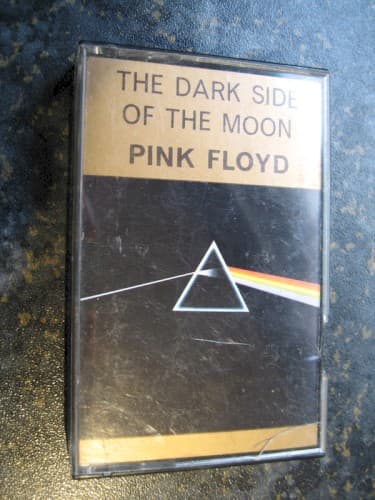
Pink Floyd established that rock albums could function as unified artistic statements rather than collections of potential singles. Their commercial success with challenging, non-radio-friendly material opened doors for progressive rock, art rock, and experimental acts throughout the 1970s and beyond. The quadraphonic sound experiments and immersive production techniques they pioneered influenced how studios approached spatial recording. Bands from Radiohead to Tame Impala to Tool cite their willingness to prioritize atmosphere and texture over traditional rock songwriting as formative influence. Beyond sonic innovation, they proved that elaborate stage production could be integral to artistic expression rather than mere spectacle. The multimedia approach—synchronized lighting, films, inflatables, pyrotechnics—treated concerts as total sensory experiences. This philosophy transformed arena rock presentation and established expectations that major touring acts still navigate today. Their album artwork, particularly the prism design for The Dark Side of the Moon, achieved cultural recognition beyond music fandom, becoming iconic visual symbols that transcended their original context. The internal tensions between Waters' conceptual control and Gilmour's melodic sensibilities created a productive friction that many view as essential to their greatest work. The post-Waters albums demonstrated that the Pink Floyd sound could exist without its primary architect, though critical consensus generally favors the 1970s material where competing visions forced compromise and collaboration. The decades-long legal and personal disputes between Waters and Gilmour became almost as famous as the music itself, illustrating the costs of ambitious artistic partnerships. Their influence on progressive rock cannot be overstated—they proved that experimental music could achieve unprecedented commercial success without conceding to pop conventions. Subsequent generations of artists learned that prioritizing album-length artistic statements over singles could be both creatively fulfilling and financially viable, fundamentally reshaping how rock music was conceived, produced, and consumed.