The scorecard
8.9/10 · Essential
- Songwriting25%
- 9.5
- Production25%
- 8.0
- Performance15%
- 9.0
- Cohesion15%
- 9.0
- Originality10%
- 8.5
- Replay value10%
- 9.5
Every song builds a complete world in four minutes, from the urgent invitation of Thunder Road to the nine-minute rise and fall of Jungleland, with characters who want out and highways that promise everything and nothing.
The Wall of Sound ambition mostly works—seventy-two tracks crammed onto sixteen for Born to Run alone—but the density sometimes buries the band, and six months on one song shows in the occasional overworked mix.
Springsteen sings like he means every pledge and threat, Clemons plays the Jungleland solo in pieces over sixteen hours until it sounds inevitable, and the rhythm section locks in hard enough to make the escape feel possible.
Eight songs sequenced like a day into night, opening each side with hope and closing with betrayal, no filler, and the thirty-nine-minute runtime ends before the vision wears thin.
Springsteen welded fifties rock and roll, Spector's studio symphonies, and Dylan's character sketches into something new for 1975, though the ingredients were borrowed and the ambition was in the assembly.
The big moments—Thunder Road's build, the title track's chorus, the Jungleland sax solo—hold up on the hundredth listen, and the weaker tracks like She's the One stay out of the way.
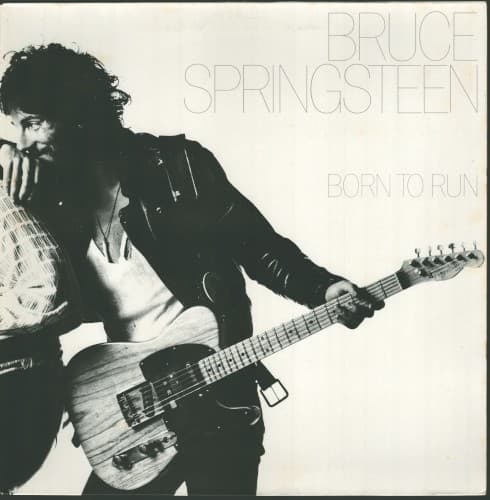
Bruce Springsteen Born to Run — The Escape That Never Quite Happens
Born to Run is an album about getting out, but the characters never make it past the county line. Springsteen promises Wendy they will reach the promised land someday, but he does not say when, and by the time Jungleland ends nine minutes and thirty-four seconds later, the protagonist is bleeding on the street while the poets write nothing down. The thesis is in the gap between the chorus and the outcome: the highway offers freedom, but freedom costs more than a tank of gas and a girl who will go along. Springsteen spent eighteen months and seventy-two overdubbed tracks trying to make Born to Run sound like the greatest record ever made, and the effort is both the album's triumph and its limitation. He got the sound he wanted—Roy Orbison fronting a car-radio symphony produced by Phil Spector—but the six months spent on the title track alone show in the occasional overworked mix, and the stakes sometimes feel inflated past what the songs can carry.
The album arrived in August 1975 after two commercial failures and a label ready to drop him. Springsteen co-produced with manager Mike Appel and Jon Landau, the critic who had panned his second album and then joined the sessions to help finish this one. The recording stretched from January 1974 to July 1975, moving from the subpar 914 Sound Studios to the Record Plant in Manhattan, with two drummers and two pianists cycling through as Springsteen rejected mixes and threw acetates into hotel pools. The final sprint lasted seventy-two hours across three studios while the band prepared for a tour that started the morning after mixing ended. The album hit number three in the United States, made Springsteen a magazine-cover phenomenon, and set the template for everything he would write for the next decade. It is not his best album—Nebraska is a better and braver record—but it is the one that made the catalog possible, and it earns its reputation more often than it coasts on it.
Seventy-Two Tracks on Sixteen and the Cost of Getting There
Springsteen wanted a Wall of Sound, and he got one by cramming multiple pianos, organs, guitars, horns, strings, glockenspiel, and backing vocals onto a sixteen-track board until the density approached Phil Spector's girl-group productions. Roy Bittan's piano defines the sound, bright and insistent, cutting through arrangements that might otherwise blur into mush. Max Weinberg's drums hit hard enough to keep the songs from floating away, and Clarence Clemons plays the saxophone like it is the last solo before the world ends. The production works best when it serves the song—Thunder Road builds from solo piano to full band as the narrator's vision solidifies, and the title track uses the density to make the escape feel like a physical force. It works less well when the layers pile up for their own sake: She's the One is a fine song buried under an arrangement that does not need to be that busy, and parts of Backstreets sound like Springsteen could not decide which instrument to feature so he used them all.
Landau joined in February 1975 and moved the sessions to the Record Plant, where engineer Jimmy Iovine helped finish the album in five months of grueling work. Springsteen spent thirteen hours on his guitar parts for Thunder Road and dictated nearly every note of the Jungleland sax solo, which Clemons replayed for sixteen hours before they edited together pieces of different takes. The band recorded backing tracks and vocals quickly, but Springsteen obsessed over overdubs and spent days on single lines. The results justify some of the labor—Born to Run sounds huge, and Jungleland builds to a climax that feels earned—but the perfectionism occasionally works against the music. Night is the shortest track at three minutes, and it benefits from the economy; Backstreets runs six and a half minutes and sags in the middle when the piano intro keeps cycling without advancing the story.
Springsteen wrote most of the songs on piano, which gives them a melodic shape that his guitar-based songs sometimes lack. The influences are worn plainly: Duane Eddy's guitar, Orbison's vocal drama, Dylan's character sketches, the doo-wop groups Spector produced. Tenth Avenue Freeze-Out lifts the Stax horns-and-bass groove and tells the story of the E Street Band finding success when the Big Man joined. Meeting Across the River is a noir sketch with stand-up bass, the only track that trusts space over density. The album incorporates rock and roll, pop, rhythm and blues, and folk, but it sounds like Springsteen, not like a catalog of sources. The weakness is that the ambition occasionally overpowers the material: the Wall of Sound works for Born to Run, where the stakes justify the scale, but the same production on a song about an obsessive relationship makes the small subject feel inflated.
A Summer Day and Night That Runs Out of Road
The album is sequenced like one long day, opening each side with optimism and closing with betrayal, and the structure works because the runtime is thirty-nine minutes. The pacing sags slightly on side one, where two longer tracks cover similar emotional ground—work is a trap, the highway is the way out—but both are strong enough to hold their space. Side two is tighter: the closing run is twenty-one minutes with no wasted motion, building to the sax solo that Clemons and Springsteen spent sixteen hours assembling note by note.
The album has no filler, but the eight tracks are not equally important. The first stretch establishes the foundation with three of the best songs Springsteen ever wrote. Two more tracks in the middle section are nearly as good. The remaining three are solid without being essential, benefiting from short runtimes and sharp sequencing. The weakness is that the production style does not vary much—every song gets the full band and the layered overdubs—and by the time the closer arrives, the sound is familiar enough that the nine-minute length has to be earned. It is, barely, because the sax solo and the string arrangement and the final verse deliver on the buildup. An album with more dynamic range, where a few tracks stripped down to piano and voice, might have made the big moments land harder, but that was not the record Springsteen set out to make.
Where It Ranks and Who Should Start Here
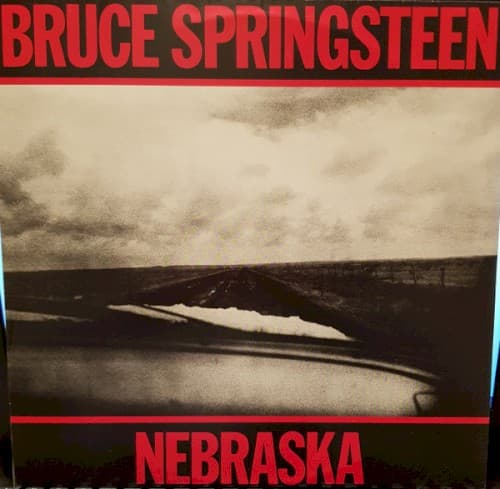
Born to Run is Springsteen's second-best album, behind Nebraska and ahead of everything else. Nebraska is a more mature and focused record, stripped to acoustic guitar and four-track recorder, with no production to hide behind and characters who do not fantasize about escape because they know it will not come. Born to Run is the younger album, built on the belief that the right song with the right girl and the right car can still get you out, and it captures that belief with enough conviction to make it feel true for thirty-nine minutes. The production has aged unevenly—some mixes sound cluttered now, and the Wall of Sound ambition feels like a period piece—but the writing holds up, and the best tracks still sound like the greatest rock and roll record ever made, which was the goal.
This album is for listeners who want Springsteen at his most widescreen and romantic, chasing the American Dream with a full band and a highway that goes somewhere. Skip it if you want the stripped-down realism of Nebraska or the working-class grit of Darkness on the Edge of Town. Start with Thunder Road, Born to Run, and Jungleland, in that order, and then go back for Tenth Avenue Freeze-Out and Backstreets. If those five tracks work, the album works. After this, listen to Darkness on the Edge of Town to hear what happened when Springsteen stopped promising escape and started writing about the people who stayed, and then go back to Nebraska to hear him alone in a room with the same characters, no band and no Wall of Sound to soften the verdict. Born to Run is the sound of an artist who believed he could make the greatest album ever if he worked hard enough and used enough overdubs, and he got close enough to justify the eighteen months and the seventy-two-hour final sprint.
Track by track
Track Listing
Thunder Road
StandoutThe album's best song by a small margin, built as an invitation to leave everything behind and drive toward a future that may not exist. Springsteen opens alone at the piano, asking Mary to climb in and trust that the town they are leaving is worse than the uncertainty ahead. The band joins as the vision solidifies—harmonica, then drums, then the full arrangement—and the buildup mirrors the narrator's desperation to make the promise sound real. Bittan's piano carries the melody, and the glockenspiel in the final verse adds a fragile optimism that the lyrics do not quite support. The narrator admits he is no hero, just a guy with a car and a dream, and that honesty makes the plea convincing. Springsteen reportedly spent thirteen hours on the guitar parts, and the care shows in the way the instruments enter and build without crowding each other. The song sets the terms for the rest of the album: the highway offers a way out, but the destination is uncertain, and the only thing worse than running is staying put. The melancholy beneath the anthemic surface—Springsteen sounds like he is trying to convince himself as much as Mary—gives the track its staying power.
Tenth Avenue Freeze‐Out
StandoutA funky rhythm and blues track with Stax-style horns, telling the story of the E Street Band's struggle to find success before Clemons joined and completed the sound. The lyrics are part autobiography, part mythology, and the chorus about the Big Man joining the band in the third verse is a direct reference to Clemons. Springsteen and Steven Van Zandt wrote the horn arrangement on the spot when the session players arrived, and the looseness works in the track's favor—the horns punch without overwhelming the groove, and the rhythm section keeps the song moving. The production is dense but not cluttered, and the three-minute-eleven runtime is exactly right. The song functions as a block party and a band origin story, and it earns its place as the album's second track by delivering energy without overplaying its hand.
Night
SolidThe shortest song on the album, a driving rocker about a man who endures his nine-to-five job because he lives for drag racing after dark. The music shifts between minor key for the daytime grind and major key for the nighttime escape, and the contrast is effective without being subtle. The Wall of Sound production is in full effect—guitars, piano, organ, drums all fighting for space—and the density works here because the song is short enough that the arrangement does not wear out its welcome. The track covers similar thematic ground as other songs on the album, using the highway as escape from working-class drudgery, and it does not add much that Thunder Road and Born to Run do not handle better. Still, the Chuck Berry-style rock and roll energy keeps it from feeling like filler, and the three-minute runtime is disciplined.
Backstreets
SolidA six-and-a-half-minute operatic track about a broken friendship, possibly romantic, between the narrator and someone named Terry. The song opens with a long piano-led intro that sets the mood—dramatic, theatrical, influenced by Dylan and Orbison—and the band builds slowly before Springsteen enters with the first verse. The production is lush, with piano, organ, guitar, and strings all layering over Weinberg's drums, and the arrangement is effective when it is supporting the vocal but excessive when it is filling space. The song sags in the middle, where the instrumental sections cycle without advancing the narrative, and the six-and-a-half-minute length feels earned in the final verse but not throughout. The lyrics are strong, using both realistic and poetic imagery to describe a relationship that fell apart when Terry left for someone else, and the narrator's reflection that they were not the heroes they thought they had to be is one of Springsteen's better lines. The autobiographical elements and cinematic references add weight, but the track would benefit from tighter editing.
Born to Run
StandoutThe title track and the album's centerpiece, an anthem about escaping a dead-end town with a girl named Wendy before it is too late. Springsteen spent six months recording this song, and the ambition is audible: seventy-two tracks squeezed onto sixteen, layers of guitars, pianos, organs, horns, glockenspiel, strings, and backing vocals all building toward a Wall of Sound that justifies the Spector comparison. The music combines rock and roll, hard rock, rockabilly, jazz, and Tin Pan Alley, and the density works because the stakes are high enough to support it. The narrator is sweating out the runaway American Dream, calling the town a death trap, and promising Wendy they will reach the promised land even though he does not know when. The underlying sadness—tramps like us, baby we were born to run—cuts against the anthemic chorus, and the tension between the promise and the doubt makes the song more than a simple celebration. Clarence Clemons' saxophone and Roy Bittan's piano anchor the arrangement, and the production, while occasionally overwhelming, delivers the cinematic scale Springsteen was chasing. This is the sound of someone who believed he could make the greatest rock and roll song ever recorded if he just worked hard enough, and he came close.
She’s the One
SolidA song about obsessive attraction to a woman who lies and mistreats the narrator, but he keeps returning anyway. The lyrics are sharp, and the subject—destructive desire—is a good counterbalance to the idealized romance elsewhere on the album. The production, however, is too busy for the material: the Wall of Sound arrangement, with multiple keyboards and guitars layered over the drums, makes a small subject feel inflated. The song is fine, but it does not need to sound this big, and the four-and-a-half-minute runtime drags slightly when the arrangement stays at the same intensity throughout. Springsteen never revealed the inspiration, though it may have been his girlfriend at the time, and the lack of specificity shows—this is the album's most generic lyric, and the production cannot compensate. It is not filler, but it is the weakest track on side two.
Meeting Across the River
StandoutA noir sketch with stand-up bass from Richard Davis, the only track that trusts space over density. The narrator and his partner Eddie are heading into the city for a deal that will get them out of trouble, and the desperation is quiet instead of loud. The arrangement is spare—bass, piano, a little trumpet—and the restraint makes the song stand out after five tracks of Wall of Sound production. At three minutes and eighteen seconds, it is the right length for what it does, and it sets up Jungleland by showing what happens before the fall. The track does not reach the heights of the album's best songs, but it is a smart change of pace and a reminder that Springsteen could write small when he wanted to.
Jungleland
StandoutA nine-and-a-half-minute suite that closes the album with the death of the protagonist and the collapse of the dream. The song opens with piano and strings, builds through verses about street life and romantic desperation, and climaxes with Clarence Clemons' saxophone solo, which Springsteen dictated note by note over sixteen hours before editing together pieces of different takes. The solo is the album's peak—dramatic, mournful, and earned by the eight minutes of buildup that precede it. Suki Lahav's violin and Charles Calello's string arrangement add symphonic weight, and the production justifies its own ambition here in a way that it does not always elsewhere. The final verse, where the protagonist bleeds on the street while the poets write nothing down, is Springsteen's clearest statement that the escape promised in Thunder Road will not happen, and the ending is bleak enough to complicate the album's reputation as a celebration of youthful freedom. The song is too long, and the middle sections sag under the weight of the arrangement, but the sax solo and the final verse deliver, and the track works as a closing argument. This is where the highway runs out.