The scorecard
7.6/10 · Great
- Songwriting25%
- 8.5
- Production25%
- 7.0
- Performance15%
- 8.0
- Cohesion15%
- 6.5
- Originality10%
- 7.5
- Replay value10%
- 8.0
Half the songs are raw sketches rather than developed compositions, but "Tumbling Dice", "Loving Cup" and "Shine a Light" show Richards and Jagger writing at full strength.
Jimmy Miller's basement tapes capture the band's loose chemistry, but the murky mixes bury Jagger's vocals and the overdubs often sound pasted on rather than integrated.
Richards plays with authority throughout, Jagger sounds weary in exactly the right way, and the band locks in harder on "Rocks Off" and "All Down the Line" than on anything since Let It Bleed.
Eighteen tracks is too many when a third of them are blues covers and half-formed jams; the album sags badly in the third quarter with "Ventilator Blues" and "I Just Want to See His Face".
The basement recording approach and the synthesis of Delta blues, gospel and country into hard rock was new for the Stones in 1972, but the material itself is rooted in American music from three decades earlier.
The peaks hold up as well as anything in the catalog, but the filler tracks and the muddy production make full-album listens a commitment rather than a pleasure.
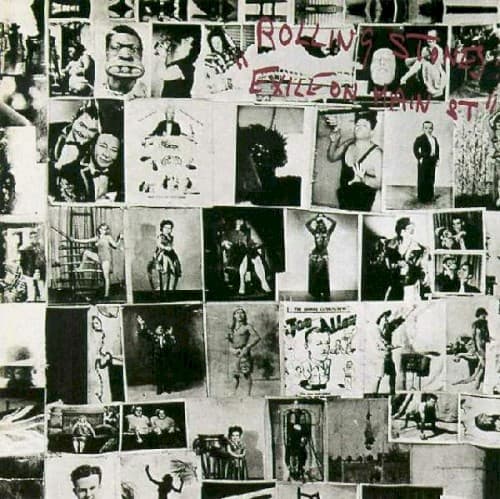
The Rolling Stones Exile on Main St — The Myth Is Better Than the Record
Exile on Main St sits at the center of the Rolling Stones legend: the tax exiles, the heroin, the rented French villa with a mobile truck parked outside, Keith Richards holding the basement together while Mick Jagger showed up when he felt like it. The story writes itself, and critics spent four decades deciding the album lived up to it. The reassessment is half deserved. Exile captures the Stones at their loosest and their most lived-in, playing blues and country and gospel as a working band rather than as a studio construction, and the best six or seven songs rank with anything they recorded. The problem is that there are eighteen songs, at least five of them are filler, and the production buries as much as it reveals. This is the sound of a great rock band recording an album's worth of material and then doubling the length because no one was sober enough to cut it down.
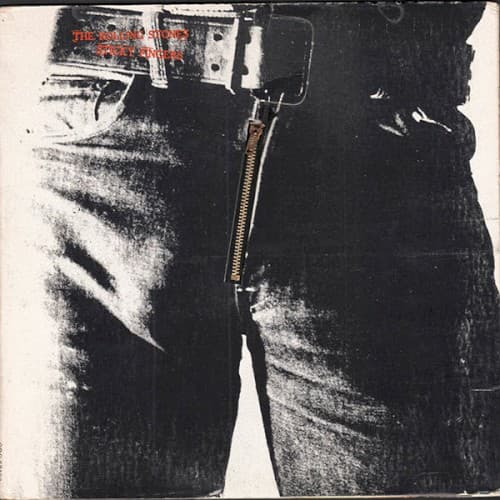
The thesis that Exile is the greatest rock album ever made rests on the argument that its flaws are part of its authenticity, that the murk and the sprawl and the half-finished songs reflect the chaos of the sessions and therefore the honesty of the music. That is a way of listening, not a fact about the record. What is on the tape is a band working without a producer who could say no, overdubbing vocals in Los Angeles months after the basic tracks were cut in a French basement, and piling on enough session players and gospel singers to obscure the raw performances that were supposed to be the point. The peaks are higher than anything on Sticky Fingers, but Sticky Fingers does not ask you to sit through "Turd on the Run" to get to them.
Basement Tapes With a Choir Overdubbed Three Months Later
The Nellcôte sessions produced basic tracks that sound like the Stones jamming in a room: guitars slightly out of tune, the rhythm section pushing and pulling, Jagger's vocals recorded live and mostly inaudible. The best moments on Exile come from that rawness. Richards' riff on "Rocks Off" is a dirty, propulsive thing that carries the song even when Jagger is buried in the mix, and the band plays it with the swing of a group that has been on the road for a decade. "All Down the Line" has the same energy, a hard-driving rocker that benefits from the lack of studio polish. When the Stones sound like a garage band with chops, they are unbeatable.
The problem is that Jimmy Miller, the producer who shaped Beggars Banquet and Let It Bleed, was too deep into drugs to finish the record, and Jagger had to complete it himself in Los Angeles. The gospel and soul overdubs he added in those sessions—Billy Preston's organ, the backing vocalists on "Tumbling Dice" and "Shine a Light"—are musically effective but sonically disconnected from the basement tracks. "Let It Loose" builds to a gospel crescendo that works on its own terms, but the vocal arrangement sounds like it was recorded in a different room, because it was. The production does not integrate the elements; it stacks them.
Richards plays all over this record, and his guitar work is consistently strong. The acoustic riff on "Sweet Virginia" is as good as anything in the catalog, and his rhythm playing on "Loving Cup" shows how much he learned from the country and blues records he was studying in 1971. Mick Taylor's slide work on "Stop Breaking Down" is sharp, and Charlie Watts and the session bassists (Bill Wyman sat out many of the French sessions) hold the rhythm together even when the arrangements wander. But the mixes bury the band. Jagger's vocals are so low on "Casino Boogie" and "Ventilator Blues" that the lyrics are unintelligible, and the murk that fans celebrate as atmospheric is often just poor mixing. Jagger himself said the record sounds lousy and wished he had remixed it, and he is right.
The songwriting is uneven. "Tumbling Dice" is a classic, a mid-tempo rocker with a melody that develops over five minutes and a lyrical hook that Jagger sings with just enough weariness to sell it. "Loving Cup" is nearly as good, a country-soul ballad that builds to a proper climax. "Shine a Light" has the same gospel ambition as "Let It Loose" and earns it. But half the album is sketches: blues covers like "Shake Your Hips" and "Stop Breaking Down" that add nothing to the originals, and jams like "Ventilator Blues" and "I Just Want to See His Face" that never develop into songs. Richards' "Happy" is a highlight, a ragged three-minute rocker that he recorded with Bobby Keys and Jimmy Miller while waiting for the rest of the band to show up, but the fact that it stands out says something about how many of the other tracks sound like first takes.
Eighteen Songs When Twelve Would Have Made the Point
The sequencing is haphazard. The album opens strong with two fast rockers that announce the basement aesthetic, but then it meanders. The first disc has the strongest material, but it also has filler that breaks momentum. The second disc sags badly in the middle. The back half recovers with two powerful closers, but by that point it has asked for too much patience.
The double-album length is not earned. The Stones had enough material because they had been recording since 1969, not because the Nellcôte sessions were unusually productive. A single album with the ten or twelve best tracks would have been a classic. Instead, Exile feels like a band that did not trust its own quality control and decided to release everything. The flow is not thoughtful; it is the result of having too much material and not enough editorial judgment.
The Stones' Most Overrated Album, Which Still Means It's Worth Owning
Exile on Main St ranks below Sticky Fingers in the catalog. Sticky Fingers has better songs, better production, and no filler. Exile has higher peaks in "Tumbling Dice", "Loving Cup" and "Shine a Light", but it makes you work for them, and the work is not always rewarded. The myth of Exile—the basement, the exile, the heroin, the chaos—has carried the album's reputation further than the music justifies. Critics who called it a high point in the late 1970s were responding to the idea of the album as much as to what is on the tape.
That said, this is still a Rolling Stones album from their peak period, and the best half of it is as good as anything in rock. If you are coming to the Stones for the first time, start with Sticky Fingers, then come here. If you are a fan, Exile is essential, but go in knowing that it is a flawed double album, not a flawless single.
The tracks to start with are "Rocks Off", "Tumbling Dice", "Sweet Virginia", "Loving Cup" and "Shine a Light". Skip the blues covers and the jams unless you are committed to the full experience. For a tighter, better-produced version of the same rootsy sound, Sticky Fingers is the album to own. For the Stones at their most chaotic and their most human, Exile is the only option, but it is not the greatest rock album ever made. It is a very good album that needed an editor.
Track by track
Track Listing
Rocks Off
StandoutThe album's best opener and a statement of intent: a hard-driving rocker with Richards' riff leading and Jagger's vocal buried just enough to sound like he is fighting to be heard over the band. The horn section adds punch without softening the edges, and the groove is loose but tight, the sound of a band that has played together long enough to push the tempo without losing it. The lyrics are about sexual frustration and ennui, Jagger's voice conveying weariness rather than enthusiasm, which fits the basement aesthetic. This is what Exile does best: raw, propulsive rock and roll that does not need polish to work.
Rip This Joint
SolidA two-minute sprint through rockabilly and country, with Jagger's vocal sped up and the band playing at double time. It is fun as a palette cleanser after "Rocks Off", but it is a novelty track, not a song. The energy is there, but the songwriting is not.
Shake Your Hips
WeakA Slim Harpo cover that adds nothing to the original. The Stones play it competently, with Jagger's harmonica and the rhythm section holding the groove, but this is filler. The album has three or four blues covers, and none of them justify their inclusion.
Casino Boogie
WeakA jam with lyrics that sound like they were improvised on the spot. The groove is solid, with Richards and Taylor trading riffs, but the mix buries Jagger's vocal to the point of incomprehensibility, and the song never develops. This is a basement track that should have stayed in the basement.
Tumbling Dice
StandoutThe album's commercial peak and one of the best singles in the catalog. The song is built on a mid-tempo shuffle that Watts and the session bassists lock into, with Richards' guitar riff providing the melodic hook and Jagger's vocal sitting on top with just enough grit to sell the lyric about gambling and women. The gospel backing vocals, added in the Los Angeles overdub sessions, lift the chorus without overwhelming it, and the arrangement builds over three and a half minutes without ever feeling rushed. The production here is better than on most of the album, with the vocal high enough in the mix to be heard and the instruments balanced. This is what happens when the Stones take the time to finish a song.
Sweet Virginia
StandoutA country ballad with Richards' acoustic guitar leading and Jagger's vocal taking on a Southern drawl. The song is about drugs and downtime, with a melody that unfolds slowly and a chorus that sticks. Nicky Hopkins' piano and Jagger's harmonica fill out the arrangement without cluttering it, and the band plays it with the patience of a group that knows the groove does not need to be rushed. This is one of the album's most complete songs, and it benefits from the basement aesthetic: the slightly out-of-tune guitars and the loose rhythm section give it character. One of the highlights.
Torn and Frayed
SolidA mid-tempo rocker about life on the road, with Al Perkins' pedal steel guitar adding a country flavor and Jim Price's organ filling out the arrangement. The song is solid but not essential, with a melody that develops over four minutes and a lyric that conveys fatigue without becoming maudlin. Mick Taylor does not play on this track, and the absence is noticeable: the guitar work is competent but not distinctive. A good album track, but not a peak.
Sweet Black Angel
SolidA reggae-influenced track with Jagger's harmonica and Richard Washington's marimba giving it a Caribbean feel. The lyric is about Angela Davis, the activist who was imprisoned in 1970, and the song has a political edge that is rare for the Stones. The groove is hypnotic, but the song is too long for the amount of material it has, and it sags in the middle. Interesting as an experiment, but not fully realized.
Loving Cup
StandoutA country-soul ballad that builds to a gospel climax, with Jagger's vocal starting soft and gaining intensity as the song progresses. The melody is strong, with a chorus that earns its repetition, and the arrangement is patient, letting the song develop over four and a half minutes. Bill Wyman's bass anchors the rhythm, and the backing vocals, added in Los Angeles, lift the final chorus without overwhelming it. This is one of the album's best songs, a track that shows the Stones could write and arrange with ambition when they chose to. The basement recording gives it warmth, and the overdubs are integrated well enough to feel like part of the song rather than an afterthought.
Happy
StandoutRichards' showcase, recorded while Jagger and Wyman were absent and the rest of the band had not yet arrived. Richards plays guitar and bass, Bobby Keys plays baritone sax, and Jimmy Miller covers drums. The result is a ragged, three-minute rocker with a riff that sticks and a vocal that Richards sings with more conviction than polish. The lyric is about needing love to be happy, delivered with just enough irony to avoid sentimentality. The production is raw—Miller's drumming is loose, and the sax is mixed too high—but the song works because of its energy. This became a live staple and a fan favorite, and it deserves both. A highlight.
Turd on the Run
WeakA throwaway blues with a jokey title and no development. The band plays it at a fast tempo, but the song is filler.
Ventilator Blues
WeakA slow blues jam credited to Jagger, Richards and Mick Taylor, with Taylor's slide guitar leading. The groove is solid, but the song is formless, and at three and a half minutes it overstays its welcome. This is a basement jam that should have stayed a jam.
I Just Want to See His Face
SolidA gospel fragment with Jagger's vocal buried in the mix and the backing vocalists providing the melody. It sounds like the intro to a longer song, but it stands on its own for three minutes. Interesting as a mood piece, but not a complete track.
Let It Loose
StandoutA gospel-soul ballad that builds to a climax over five minutes, with the backing vocalists (Venetta Fields, Clydie King, Joe Greene, Shirley Goodman, Tami Lynn, Mac Rebennack) providing a choir arrangement that lifts the song. The melody is strong, and Jagger's vocal conveys longing and frustration. The production is layered, with the gospel overdubs recorded in Los Angeles and stacked on top of the basement track, and the seams show: the choir sounds disconnected from the rhythm section. But the song works despite the production, and the climax is one of the album's most powerful moments. A highlight, though it would have been stronger with a more integrated mix.
All Down the Line
StandoutA hard-driving rocker with the band playing at full energy and Jagger's vocal high in the mix. The riff is propulsive, the rhythm section locks in, and the song maintains its momentum over three and a half minutes. This is the Stones playing straight-ahead rock and roll with no studio tricks, and it is one of the album's most satisfying tracks. The basement aesthetic serves it well: the slightly rough edges give it character, and the band sounds like they are enjoying themselves. A strong track that benefits from brevity.
Stop Breaking Down
SolidA Robert Johnson cover reinterpreted by Jagger and Richards, with Mick Taylor's slide guitar leading and Jagger's harmonica filling out the arrangement. The band plays it with authority, and the groove is solid, but the song does not add enough to the original to justify its inclusion. It is a competent blues performance, but it is also filler on an album that already has too many blues covers.
Shine a Light
StandoutA gospel-soul ballad that closes the album on a high note, with Billy Preston's piano and organ leading the arrangement and the backing vocalists providing a choir that builds over four minutes. The melody is strong, and Jagger's vocal conveys both weariness and hope, the lyric about a friend in need sung with enough specificity to avoid cliché. The production is layered, with the gospel overdubs stacked on top of the basement track, but the song earns the ambition, and the climax is one of the album's most powerful moments. This is the Stones at their most soulful, and it is a fitting closer. A highlight.
Soul Survivor
StandoutA hard-driving rocker that closes the album with energy, Richards' riff leading and the band playing with the swagger of a group that knows it has delivered. The lyric is about survival and resilience, Jagger's vocal conveying defiance. The song is not as developed as "Rocks Off" or "All Down the Line", but it serves its purpose as a closer, ending the album on an upbeat note rather than fading out. A solid track.