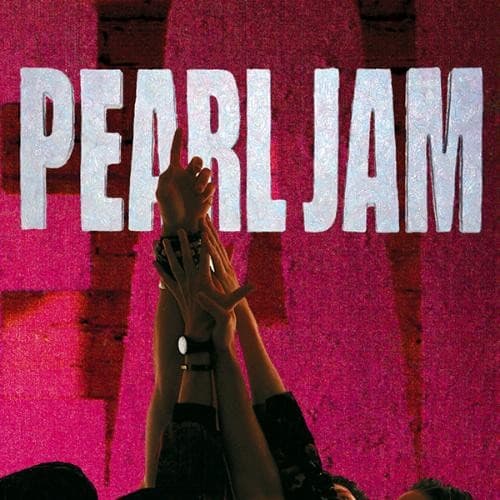
The scorecard
7.7/10 · Great
- Songwriting25%
- 8.5
- Production25%
- 6.5
- Performance15%
- 9.0
- Cohesion15%
- 7.0
- Originality10%
- 7.5
- Replay value10%
- 8.0
Hooks lock in immediately on "Alive" and "Even Flow" while "Black" and "Release" build verses that develop rather than just circle the riff.
Tim Palmer's mix drowns the band in reverb and smooths the edges that made the demos urgent, turning stadium-ready songs into actual stadium rock.
Vedder's baritone vibrato carries conviction even when the lyrics veer into melodrama, and McCready's solos on "Alive" and "Even Flow" hit with Stevie Ray Vaughan force.
The album sags in the middle stretch from "Oceans" through "Garden" where the tempos drop and the ideas thin, but the Momma-Son trilogy and the "Master/Slave" bookends give it shape.
The classic rock approach set Pearl Jam apart from the lo-fi grunge peers in 1991, even if the Zeppelin and Hendrix debts are worn openly.
The singles have held up for three decades and "Black" remains devastating, though the slower album tracks require more patience than they did in 1991.
Pearl Jam Ten — Grunge Plugs Into the Marshall Stack
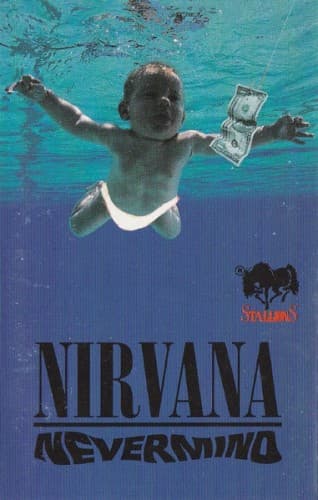
Pearl Jam arrived six months after Nirvana with the opposite thesis: that grunge did not have to sound like grunge to mean something. Where Nevermind buried hooks in fuzz and sarcasm, Ten ran them through Marshall stacks with the reverb cranked and the earnestness uncut. The album that made alternative rock safe for arena rock also made it harder to tell the two apart, which was either the smartest move Epic Records ever funded or the beginning of the end, depending on whether you were selling records or defending a scene. Either way, Ten moved ten million copies by playing the game Nirvana refused to touch: write anthems, mean them, and let the mix make them huge.
The argument for Ten is that it earned its size. Stone Gossard and Jeff Ament had survived the death of Mother Love Bone and the death of Andrew Wood, and the songs they wrote with Mike McCready and the lyrics Eddie Vedder added turned grief into architecture. The argument against it is that producer Rick Parashar and mixer Tim Palmer turned that architecture into a stadium before the band had played one, and that the album sounds less like five guys in a room than like five guys being prepared for MTV Unplugged. Both arguments are true, and the tension between them is what makes Ten worth arguing about thirty years later.
Classic Rock Crashing the Grunge Party
Ten does not sound like its Seattle neighbors because it does not try to. Gossard and McCready were listening to Zeppelin and Hendrix while their peers were listening to Black Flag and the Melvins, and the riffs reflect the difference. "Once" opens with a churn that could have come from Physical Graffiti, "Alive" builds to a solo that McCready has admitted is a Stevie Ray Vaughan lift, and "Even Flow" locks into a groove that Soundgarden might have written if they cared less about odd time signatures and more about classic rock radio. The songs are built on power chords, but the chords are voiced for size and the solos are melodic rather than noisy. This was grunge for people who wanted their angst delivered with hooks they could sing in the car.
Parashar co-produced and contributed organ, piano and percussion, and his hand is audible in the way the songs breathe and build rather than just hammer. "Black" starts quiet and stays quiet for two verses, letting Vedder's vocal carry the melody before the band comes in for the chorus. "Release" does the same thing in reverse, opening with a wash of guitar and fretless bass before settling into a hymn. The problem is Palmer's mix, which the band has spent two decades complaining about. He recorded the album at Ridge Farm Studio in England and added reverb to everything: the drums, the guitars, the vocals, even the pepper shaker and fire extinguisher he overdubbed onto "Oceans." The result is an album that sounds huge but also sounds like it was mixed for a room bigger than the one you are listening in. The 2009 Brendan O'Brien remix pulled some of that reverb off and let the band hit harder, which suggests how much the original mix was doing the work the songs did not need help with.
Vedder's voice is the wildcard. His baritone vibrato was new in 1991—deep, strong, and capable of shifting from a mutter to a wail in a single line—and it became the most imitated sound in rock for the next five years. On "Alive" and "Jeremy" he uses it to sell drama that the lyrics only half-earn, but on "Black" and "Release" the delivery makes lines that could read as teenage poetry feel like they matter. McCready's solos do the same thing: they are technical and melodic and played with enough conviction that you forget he is ripping off Vaughan until he tells you so himself.
The rhythm section is less distinctive. Ament's fretless bass on the "Master/Slave" instrumental is a Mick Karn homage that works as a bookend, and his 12-string bass on "Why Go" and "Jeremy" adds thickness, but Dave Krusen's drumming is functional and stays out of the way. Krusen left for rehab once the sessions wrapped, which tells you how present he was.
The band has admitted that half of Ten was written in a week and that Gossard and Ament were still in charge when it was recorded. That shows. "Garden" and "Deep" feel like they were kept because the band needed eleven songs, not because they had eleven ideas. "Oceans" is two and a half minutes of pretty guitar with no place to go, and "Porch" is a jam that peaks early and then repeats itself for another two minutes. The lack of filler discipline is the album's clearest weakness.
The Peaks, The Sags, and the Length They Did Not Earn
Ten is front-loaded in a way that makes the middle third a test. The album opens with the "Master/Slave" intro, then drops the opening trio in a row, three of the four songs that still define the band. The fifth track keeps the tempo up with a riff that borrows Cheap Trick's bass sound, and "Black" earns its five and a half minutes by building slowly and paying off in the final chorus. That is five songs and twenty-three minutes of an album that knows what it is doing.
Then it sags. The biggest song here by chart position and cultural footprint is also the most overwrought: the vocal performance is strong but the lyrics about a kid shooting himself in front of his English class tip into melodrama, and the production does nothing to pull it back. The next track is a palate cleanser that does not cleanse much, the following one runs ninety seconds too long, and the next two both feel like B-sides that made the album because the band ran out of time. By the time "Release" arrives the album has been spinning for forty minutes, and while the song works as a closer—Vedder singing to his dead father over Gossard's cleanest riff—it is also nine minutes long because of the hidden "Master/Slave" outro, which means the album does not end so much as fade into homework.
The sequencing is deliberate: the Momma-Son trilogy was Vedder's concept, and the band placed the songs in reverse narrative order across the album to avoid making the concept too obvious. That works as an idea, but it does not make the back half any tighter. The album would have been better at thirty-five minutes.
The Grunge Album That Became the Template for What Came After
Ten is the most commercially successful grunge album and the least grunge album of the era's big four, and both facts explain why it matters and why it frustrates. It proved that you could take the intensity of the Seattle scene and run it through classic rock structures and major label production and still sell it as alternative, which opened the door for a decade of bands who did the same thing with less to say. It also wrote hooks strong enough to survive the mix that tried to drown them, and Vedder's voice and McCready's solos are vivid enough that the album still works thirty years later, even when the slower songs test your patience.
This is not Pearl Jam's best album—the band would make leaner, harder and more consistent records once they learned to push back on producers—but it is the one that defines them for most listeners, and the singles are the reason why. "Alive" and "Even Flow" are built to last, "Black" is the best ballad of the grunge era, and even "Jeremy," overplayed as it is, still lands. The back half is where the album shows its age: "Garden," "Deep," and the extended "Porch" jam feel like a band that did not yet know when to stop, and the production that made the singles sound huge makes the filler sound even longer.
Start with "Alive," "Black," and "Even Flow." If those three work, move to "Once" and "Release" and decide whether you want the whole album or just the hits. Fans who came to Pearl Jam through Vs. or Vitalogy will find Ten softer and slower than what followed, but it is still the album that made the band, and the songs that matter have earned their place. For the next Pearl Jam album, go to Vs., where the band learned to fight the production and cut the filler. For grunge that stayed rawer, Nirvana's Nevermind is the obvious move, though Ten holds up better on the deep cuts than In Utero's back half.
Track by track
Track Listing
Once
StandoutThe album's real opener after the "Master/Slave" intro, and it announces the template: a Zeppelin-heavy riff, Vedder's baritone climbing into vibrato, and a chorus built to fill a room bigger than a club. The song is part of the Momma-Son trilogy, written about a son who goes on a killing spree after learning his father is not his father, but the music does not sound like a concept piece—it sounds like a band trying to hit as hard as possible in under four minutes. McCready's solo is melodic and does not overstay, and the song earns its place as the opening statement even if the narrative concept is too buried to matter on first listen.
Even Flow
StandoutThe best riff on the album and the song that proved Pearl Jam could write a single that sounded nothing like Nirvana. Gossard's main riff is a groove that borrows from Zeppelin and Hendrix but lands in 1991, and McCready's solo—another admitted Stevie Ray Vaughan lift—has enough melodic sense that the debt does not matter. Vedder wrote the lyrics about homelessness, and while the specifics are vague the vocal performance sells it. The song has been in the setlist for thirty years because it works: tight, hooky, and built to survive the reverb Palmer dumped on it.
Alive
StandoutThe song that became an anthem despite Vedder writing it about incest and confusion. The semi-autobiographical lyric tells the story of a son learning his father is actually his stepfather and that his real father is dead, which the mother responds to by sexually embracing the son, but the chorus and the ascending riff sound triumphant, and that is what stuck. McCready's solo is the album's longest and most obvious, two minutes of Strat-through-Marshall melodicism that he has described as a Stevie Ray Vaughan rip-off, and he is right, but it still works because it is played with conviction and because the song has the structure to support it. Palmer had McCready finish the solo during the mixing sessions in England, which suggests it was not fully formed during the original recording. The song is the centerpiece of the Momma-Son trilogy and the track that made Pearl Jam a band people cared about.
Why Go
StandoutThe shortest song on the album and one of the tightest: a riff that does not waste time, a lyric about psychiatric hospitals that Vedder delivers with enough venom to make it stick, and a bass sound that Ament has cited as a Cheap Trick homage. The 12-string bass adds thickness without getting in the way, and the song does not overstay. It is a functional rocker that does its job and gets out, which makes it more valuable than the slower songs that take twice as long to say less.
Black
StandoutThe album's best song and the one that has aged the most gracefully. Gossard's cleanest riff, Vedder's most restrained vocal, and a structure that builds slowly and pays off in the final chorus when the band finally comes in at full volume. The lyric is a breakup song that could have been mawkish, but Vedder sings it with enough control that it sounds like an actual goodbye rather than a performance of one. McCready's brief solo in the bridge is melodic and does not oversell, and Parashar's organ in the final section adds space without cluttering. Palmer made tweaks to the intro during mixing, but the song survived his reverb better than most of the album because it was written to breathe rather than to pound. This is the song that proved Pearl Jam could write a ballad that lasted.
Jeremy
SolidThe biggest song on the album by MTV rotation and cultural impact, and also the most melodramatic. The true story of a high school student who shot himself in front of his English class is powerful source material, but Vedder's vocal performance pushes it into theater, and Palmer's mix does nothing to pull it back. The riff is strong, Ament's 12-string bass adds weight, and the song has a chorus that works, but it is also overwrought in a way that made it easy to parody once the video saturated MTV. The song won four MTV Video Music Awards including Video of the Year, and it made Pearl Jam unavoidable in 1993, but it is not the best argument for the band. It is the argument that worked.
Oceans
SolidA two-and-a-half-minute interlude with a pretty guitar line, Vedder singing in his lower register, and not much else. Parashar added timpani, Palmer overdubbed a pepper shaker and a fire extinguisher as percussion, and the result is a song that sounds like it was written to give the album a breather rather than because the band had an idea worth finishing. It does not hurt the album, but it does not help it either.
Porch
SolidA jam that peaks ninety seconds in and then runs for another two minutes without adding much. The opening riff has energy and Vedder's vocal in the verses is committed, but once the song hits its climax it does not know where to go, so it just repeats the riff and lets McCready solo until someone decided it was time to stop. The 1992 live version from the Drop in the Park concert ran over twelve minutes, which suggests the band saw this as a vehicle for improvisation, but the studio version is not loose enough to justify the length. It is the first clear sign that Ten needed an editor.
Garden
WeakOne of the four songs written during the album sessions rather than from earlier demos, and it sounds like it: a mid-tempo ballad with a riff that does not develop and a lyric that does not land. Vedder sings it with commitment, but the song does not give him much to work with, and by the time it hits the five-minute mark it has been circling the same idea for too long. This is filler, and the album would have been better without it.
Deep
WeakAnother album-session original, another mid-tempo track that runs over four minutes without earning it. Ament's 12-string bass is prominent, but the riff is forgettable and the song does not build to anything. It sits in the second-to-last slot, which means it is the last thing you hear before the closer, and it does not do that job well. Like "Garden," this is a track the band kept because they needed to fill the album, not because it was ready.
Release
StandoutThe closer and the best of the slower songs on the back half. Vedder wrote it to his biological father, who died before Vedder learned he existed, and the lyric has the specificity that "Garden" and "Deep" lack. Gossard's clean guitar line is patient, the band enters gradually, and the song builds to a final section that feels like a release rather than just a conclusion. The hidden "Master/Slave" outro begins about ten seconds after the song ends, which means the album runs over nine minutes in this track slot, but the song itself is strong enough to work as the final statement. It is the one moment on the back half where the band sounds like they know exactly what they are doing.